STATION 01
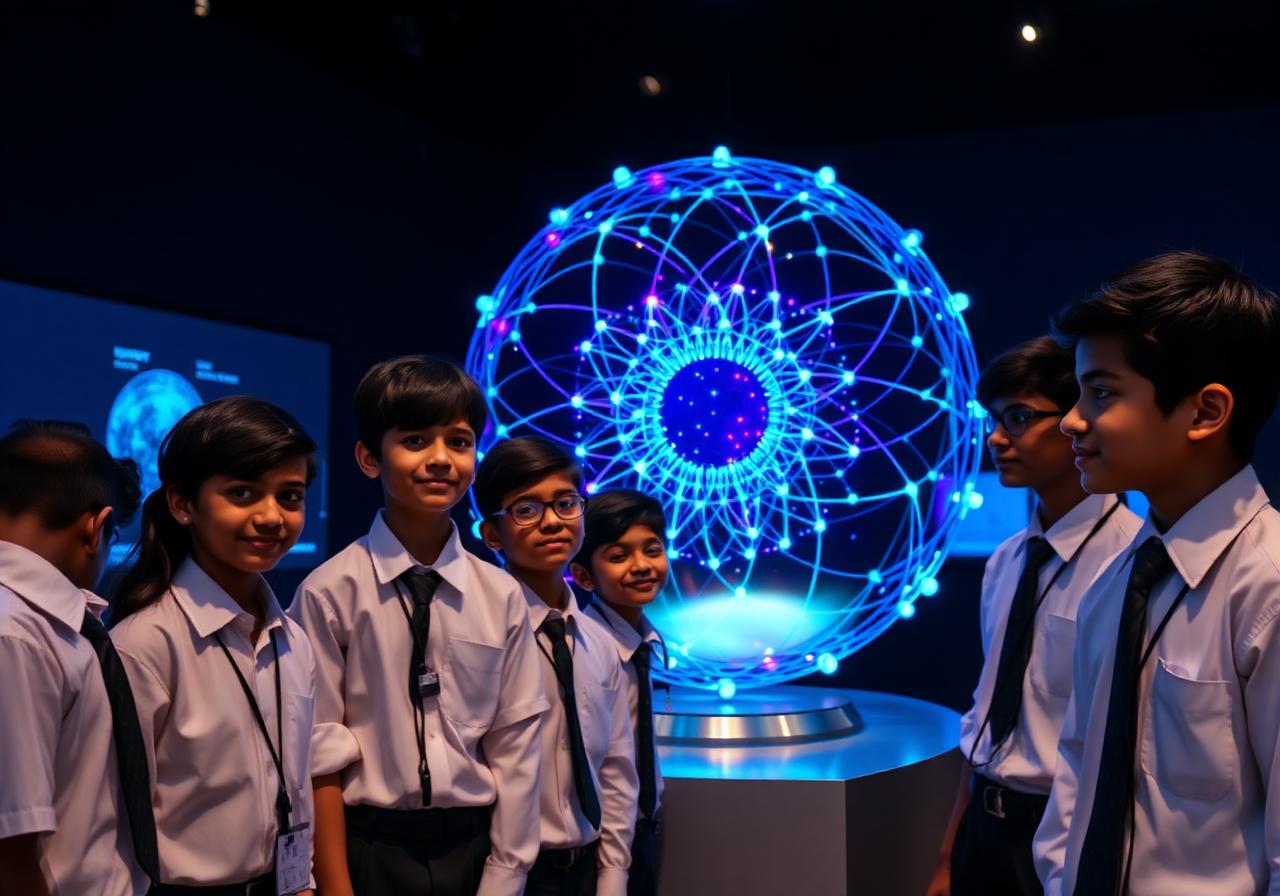
Bloch Sphere Theatre
A proposed visual model of qubit states, rotations and measurement.
Explore ARKA's planned quantum learning activities through models, probability games and circuit simulations. Opening 11 December 2026; images are concept illustrations and final stations will be confirmed before booking.
// Core ideas
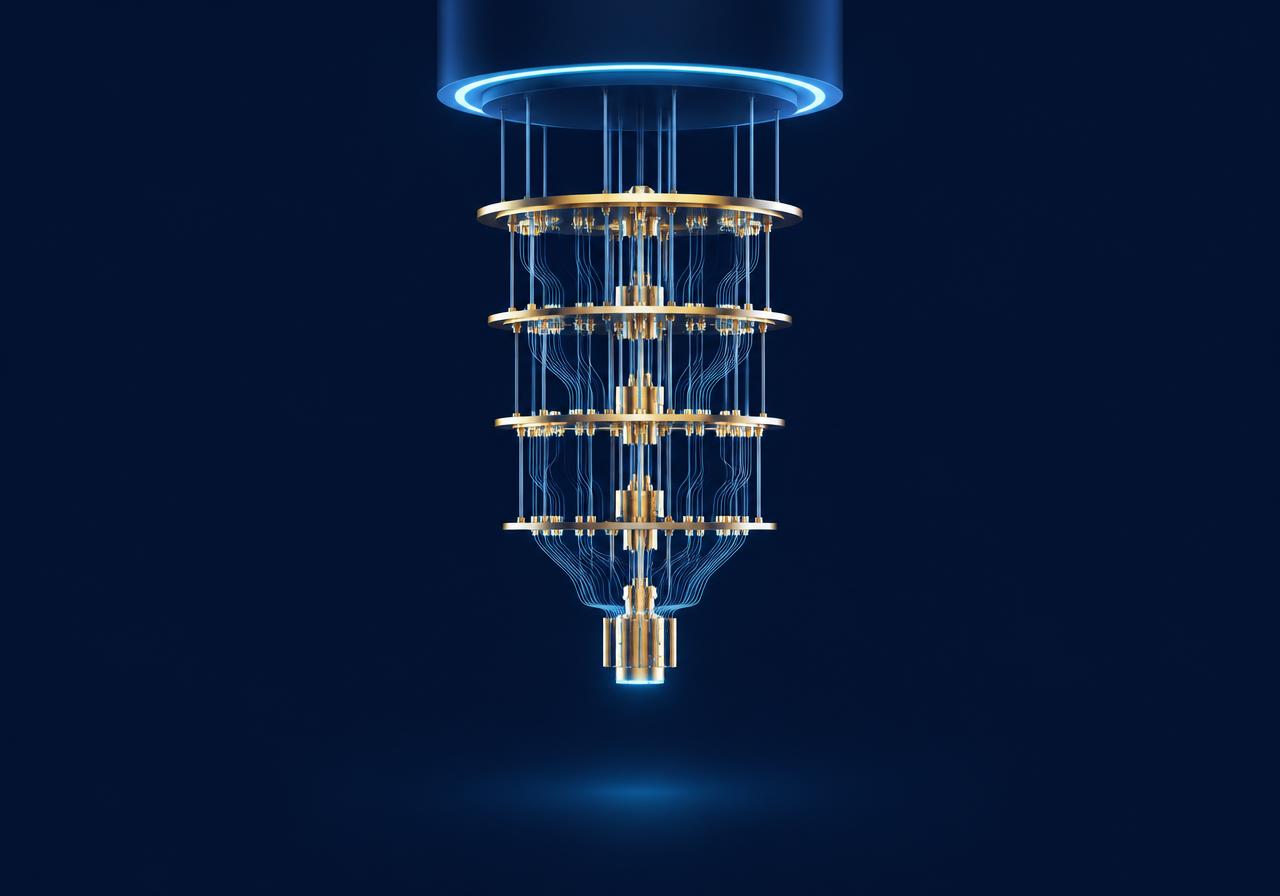
A quantum bit has a state described by amplitudes for 0 and 1. Measuring it gives a single outcome.
Many possibilities, held simultaneously, until measured. We show it with light, mirrors and motion.
Entangled qubits can have correlated measurement outcomes that depend on their shared state and measurement choices.
Each outcome has a probability amplitude that can be positive, negative or complex. When paths to the same outcome add in phase, amplitudes reinforce (constructive interference) and that outcome becomes more likely; out of phase, they cancel (destructive interference). Probability is the squared magnitude of the total amplitude, and algorithms are designed to steer it towards useful answers.
// Inside the lab
A proposed visual model of qubit states, rotations and measurement.
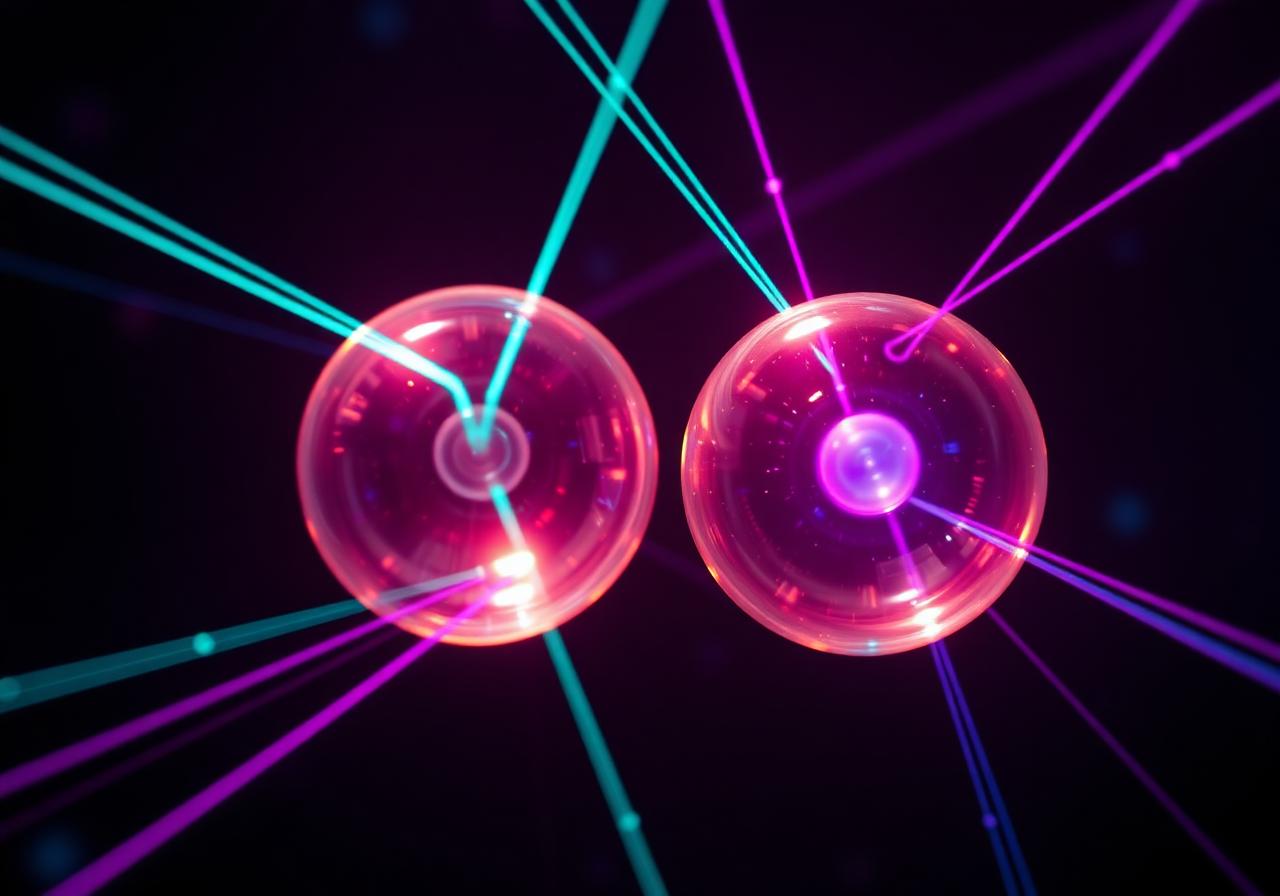
A proposed demonstration of correlated outcomes. These are teaching models, not entangled quantum hardware or faster-than-light communication.

Drag-and-drop quantum gates that run on real cloud simulators (IBM-Quantum-style). Kids see actual probability histograms.
// CBSE · AP · ICSE · Classes 3–12
Classes 3–5
Patterns, simple chance games and an introduction to what computers do.
Classes 6–8
Coin-flip qubits, basic superposition, simple games of probability.
Classes 9–10
Bloch sphere, single-qubit gates, intro to measurement.
Classes 11–12
Entanglement, Bell states, Deutsch's algorithm, qiskit basics.
Quantum Workshops
Age-appropriate introductions for Classes 3–12, with deeper circuit work for senior classes. Ask us to confirm session length, content and equipment for your group.